
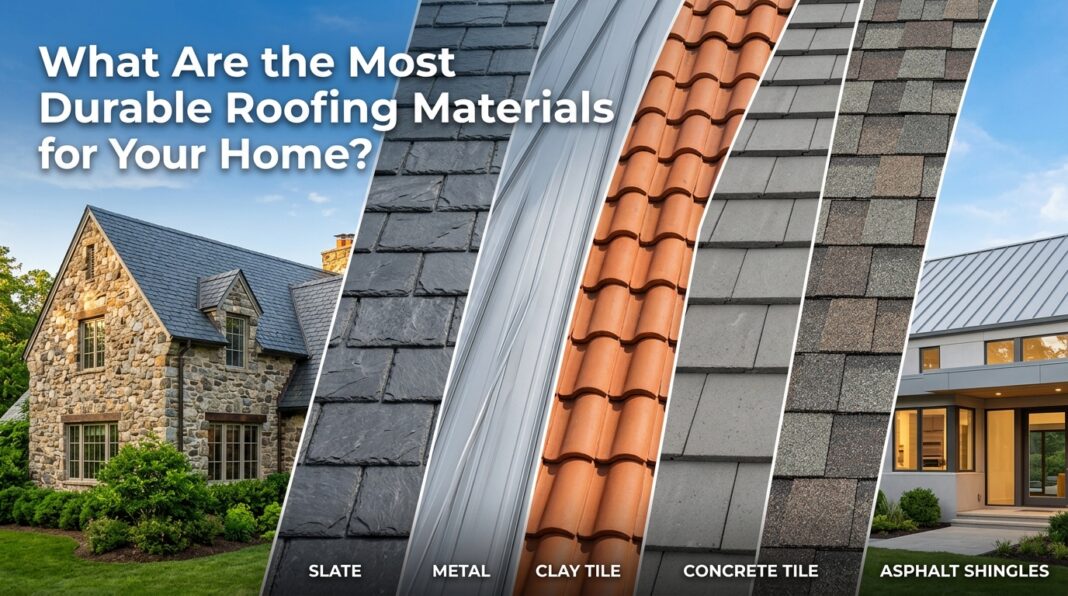

Your roof is doing more work than most people realize. Every single day it takes on sun, wind, rain, ice, and everything in between — without complaint. So when it finally shows signs of wear, or when you’re building new, choosing the right material isn’t just about looks.
It’s about how long you want to go without thinking about your roof again.
Some roofing materials last 20 years. Others last well over a century. The difference comes down to material quality, climate compatibility, and how the roof is installed. This guide breaks all of that down in a way that’s easy to understand — no contractor jargon, no guesswork.
Why Roofing Durability Matters More Than You Think
When most homeowners think about roofing, they think about upfront cost. But experienced contractors and home inspectors will tell you the same thing: the cheapest roof today is rarely the cheapest roof over time.
A roof that lasts 50 years versus one that lasts 20 years means you’re replacing it at least twice as often. And each replacement comes with labor costs, potential structural repairs, and the hassle of living through a roofing project.
Long-term roofing material performance affects your home’s energy efficiency too. Materials like metal and tile naturally reflect heat, which can reduce cooling costs in warm climates significantly.
There’s also the resale angle. Buyers notice roofs. A home with a newer, premium-material roof commands more attention and often a higher price than one needing a roof replacement in the next few years.
The bottom line: durability is an investment, not just a feature.
The 7 Most Durable Roofing Materials Ranked
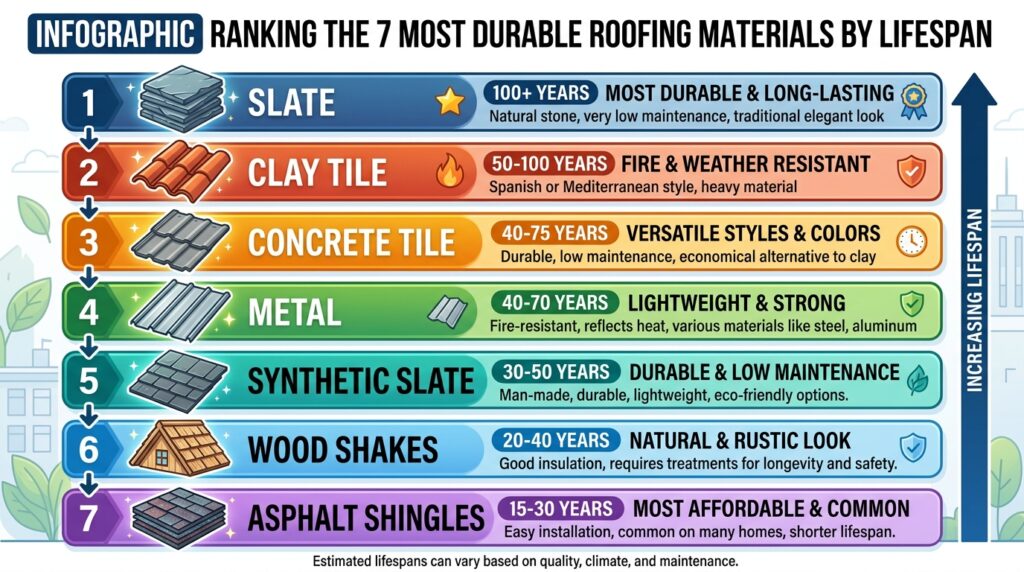
Let’s look at each major roofing material — how long it lasts, what it costs, and who it’s best for.
1. Slate Roofing — The Undisputed Champion
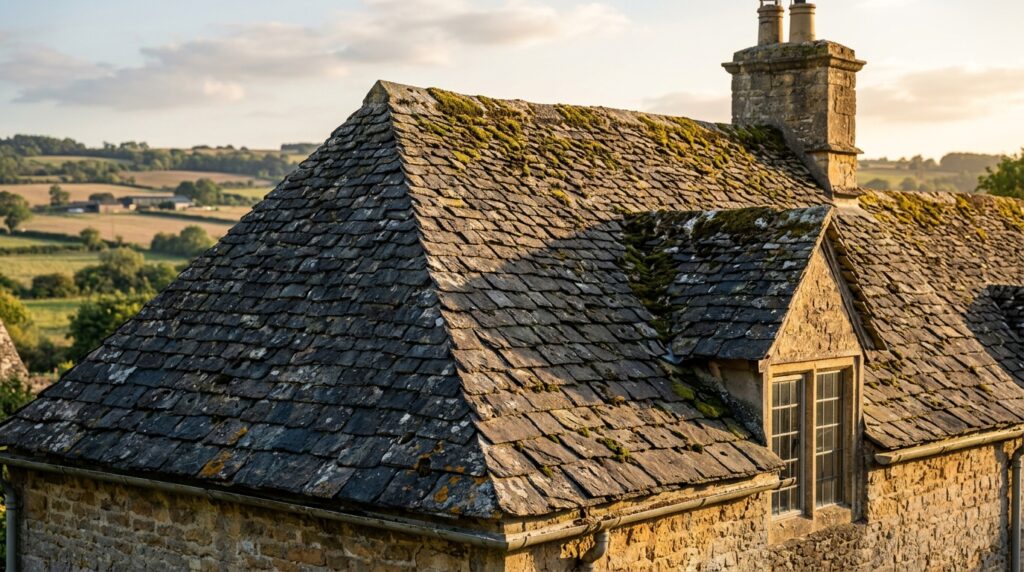
If you want a roof that outlives the people who install it, slate is your answer.
Natural slate roofing is a metamorphic rock quarried from the earth, and when installed correctly, it can last anywhere from 75 to over 150 years. There are homes in New England and Europe with original slate roofs that are over a century old and still performing well.
What makes it so durable?
- It’s completely fireproof
- It doesn’t absorb water or rot
- It resists insects and algae
- It’s virtually impervious to freeze-thaw cycles
- Minimal maintenance is required over its lifetime
The catch? Slate is heavy — seriously heavy. Your home’s structure needs to be able to support it, and not all homes are built for that load. It also requires a specialist installer. Not every roofer works with slate, and a poor installation can crack the tiles or void the warranty.
Cost is the other major factor. Slate is one of the most expensive roofing materials on the market, often ranging from $10 to $30 per square foot installed, depending on the grade and region.
But when you do the math over a lifetime? It’s often cheaper per year than replacing a cheaper roof multiple times.
| Feature | Natural Slate |
|---|---|
| Lifespan | 75–150+ years |
| Fire Rating | Class A |
| Weight | 800–1,500 lbs per square |
| Maintenance | Very low |
| Cost (installed) | $10–$30/sq ft |
2. Clay Tile Roofing — Centuries of Proven Performance
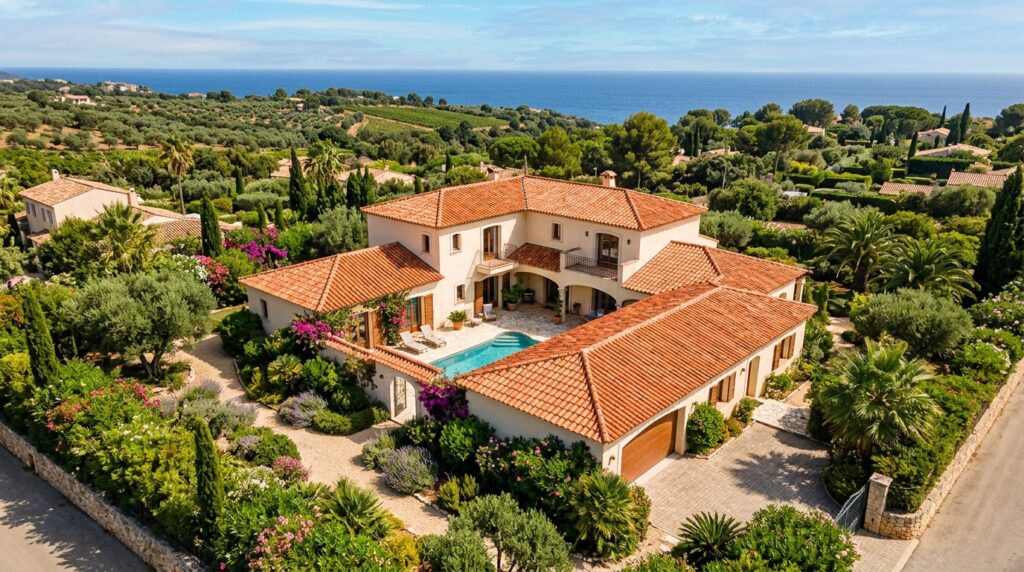
Clay tiles have been used as a roofing material for thousands of years. That’s not a marketing line — it’s history. Ancient Roman, Spanish, and Asian architecture used clay tiles, and many of those structures still stand today.
Clay tile roofing typically lasts 50 to 100 years with proper maintenance. In dry, warm climates — like the Southwest — clay tiles can easily hit the upper end of that range because they don’t have to battle the freeze-thaw cycles that can crack them.
Key advantages of clay tile:
- Excellent thermal mass — stays cool in summer
- Fire resistant (Class A rating)
- Doesn’t rot or rust
- Maintains its color well over time
- Adds significant curb appeal
The main drawback is brittleness. Clay tile doesn’t flex, so walking on it (during inspections or repairs) can crack individual tiles. You also need a structural engineer to confirm your home can handle the weight before installing.
Cost falls roughly between $7 to $15 per square foot installed, though premium handcrafted tiles can push higher.
3. Concrete Tile Roofing — Heavy-Duty at a Lower Price
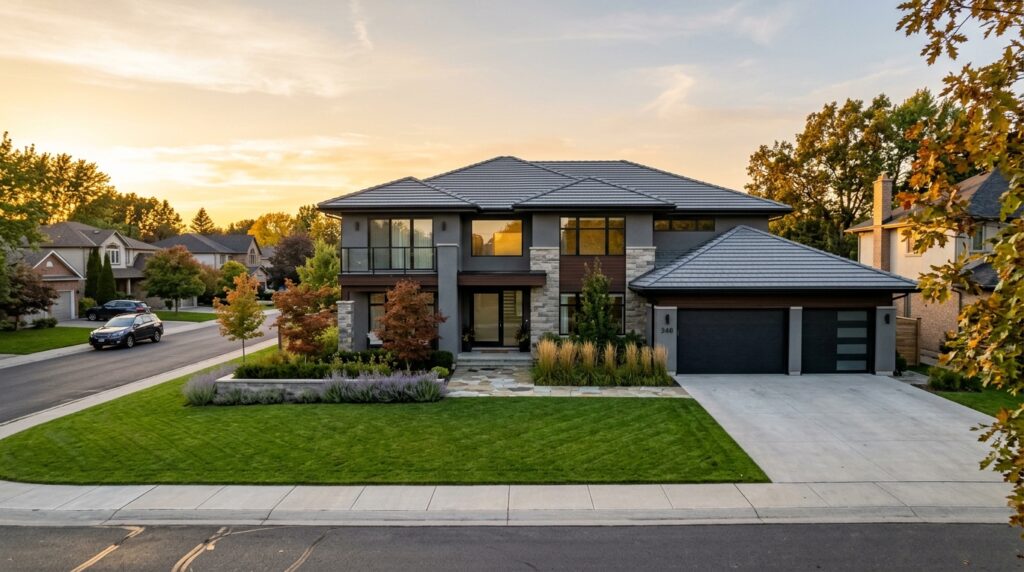
Think of concrete tile as the practical cousin of clay tile. It offers similar durability at a lower price point, with a lifespan typically between 40 and 75 years.
Concrete roofing tiles are made from a mixture of sand, cement, and water, then cured under pressure. They’re incredibly strong and can be molded to mimic the look of slate, clay, or even wood.
Why homeowners like concrete tile:
- Strong resistance to wind, hail, and fire
- Can be designed to mimic more expensive materials
- Lower cost than clay or slate
- Good thermal performance
- Wide availability of installers
The surface of concrete tile does absorb color over time, and unlike clay, it may need resealing or repainting every 15 to 20 years to maintain appearance. Weight is also a concern, similar to clay.
Installed cost typically falls between $6 to $12 per square foot.
4. Metal Roofing — The Modern Durability Powerhouse
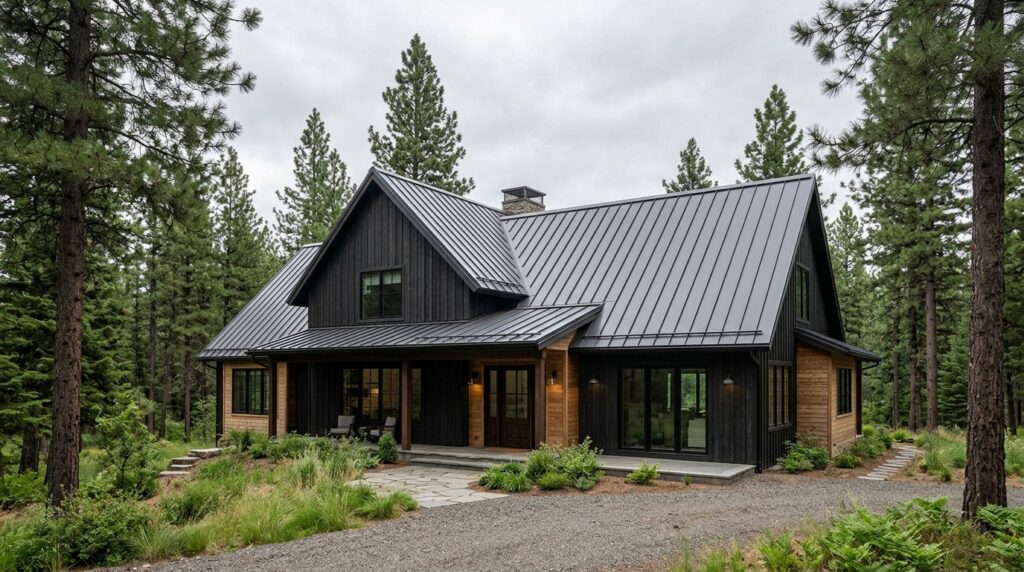
Metal roofing has changed dramatically over the last two decades. What used to be associated with barns and industrial buildings is now one of the most sought-after residential roofing options — and for very good reason.
Depending on the metal type, a metal roof can last anywhere from 40 to 80 years. Some zinc and copper roofs have lasted well over 100 years.
Common metal roofing types:
- Steel (galvanized or Galvalume): Most popular, 40–60 year lifespan
- Aluminum: Great for coastal areas, resists salt corrosion, 40–70 years
- Copper: Premium option, develops patina over time, 70–100+ years
- Zinc: European standard, extremely durable, 60–100+ years
Metal roofs are lightweight compared to tile or slate, making them compatible with more home structures. They’re also highly energy-efficient — reflective metal roofing can reduce cooling costs by 10–25% in hot climates.
Other benefits:
- Class A fire rating on most types
- Excellent performance in wind (some rated to 140 mph)
- Eco-friendly (often made from recycled content)
- Can be installed over existing roofing in some cases
The most common metal roofing styles are standing seam (concealed fasteners) and metal shingles or tiles. Standing seam is considered the most durable of the two because fasteners aren’t exposed to the elements.
Cost: $7 to $14 per square foot installed for steel, higher for copper or zinc.
| Metal Type | Lifespan | Best For |
|---|---|---|
| Steel | 40–60 years | Most climates |
| Aluminum | 40–70 years | Coastal areas |
| Copper | 70–100+ years | Premium homes |
| Zinc | 60–100+ years | European style homes |
5. Synthetic (Composite) Roofing — Technology Meets Longevity
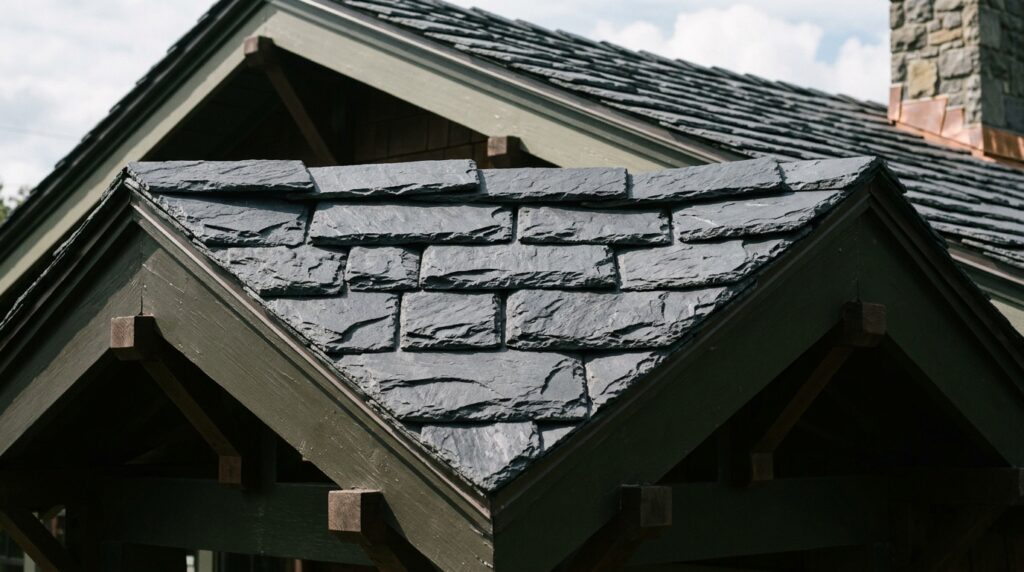
Synthetic roofing materials have come a long way. Made from engineered polymers, rubber, or a blend of recycled materials, synthetic roofing products are designed to look like natural slate or shake while offering better impact resistance and lower weight.
Most quality synthetic options last 40 to 50 years, with some manufacturers offering 50-year warranties.
Why synthetic roofing is gaining ground:
- Lighter than natural slate or clay (easier installation)
- High impact resistance — many are Class 4 (the highest) rated
- Lower cost than natural materials
- Environmentally friendly options available
- Consistent appearance (no natural variation)
The trade-off is aesthetics — up close, a trained eye can often tell the difference between synthetic and natural materials. But from the street, the imitation is impressive.
Cost: $7 to $12 per square foot installed.
6. Wood Shake Roofing — Natural Beauty with a Commitment
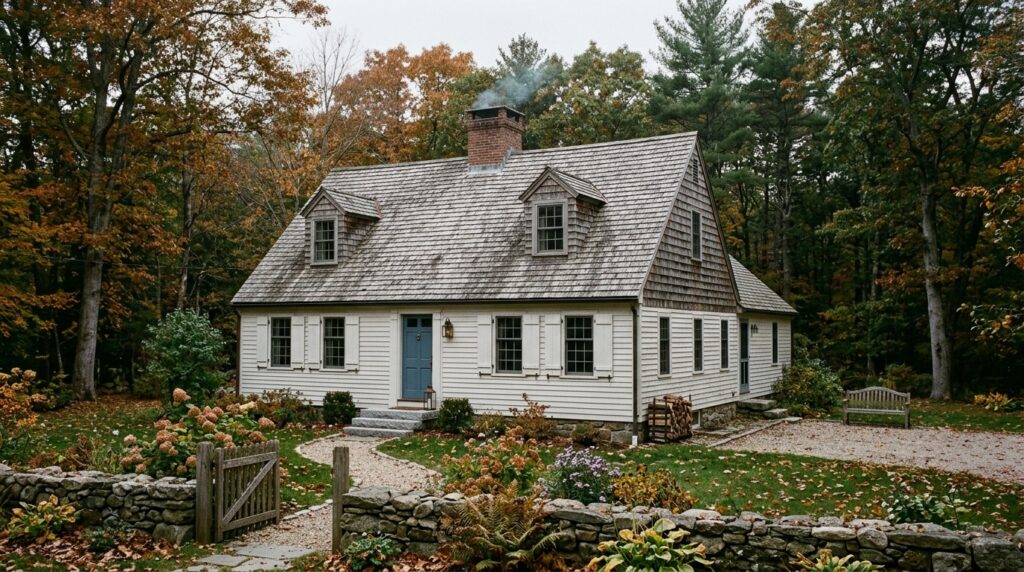
Wood shake roofing offers a natural, textured aesthetic that many homeowners love — but it requires real commitment in terms of maintenance.
Made from split cedar, redwood, or pine, wood shakes can last 20 to 40 years when properly maintained. The key phrase there is “properly maintained.”
Cedar shake roofing needs periodic cleaning, treatment with preservatives, and moss/algae removal. Without this, it deteriorates much faster. Wood is also more vulnerable to fire — though fire-retardant treatments are available and often required by local building codes.
Best conditions for wood shake:
- Dry climates with low humidity
- Areas without heavy tree coverage (reduces moisture and debris)
- Homeowners willing to invest in regular maintenance
Not ideal for: wet climates, fire-prone zones, or homeowners seeking low-maintenance options.
Cost: $6 to $12 per square foot installed.
7. Asphalt Shingles — The Budget-Friendly Standard
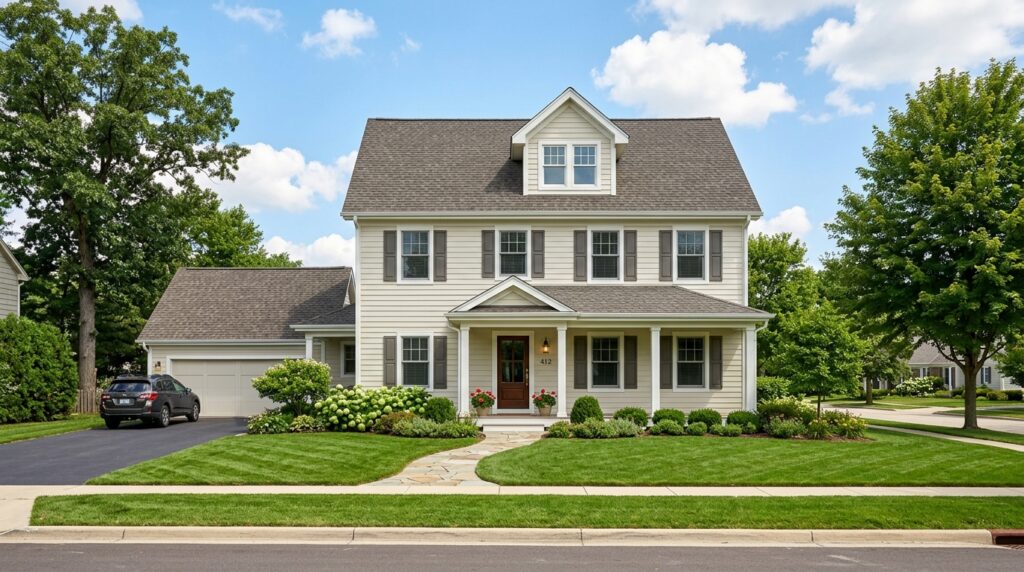
Let’s be honest — most homes in the country have asphalt shingle roofs. They’re affordable, widely available, and easy to install. But they’re not the most durable option.
Standard 3-tab asphalt shingles last about 15 to 25 years. Architectural (dimensional) shingles do better — around 25 to 30 years, and premium designer shingles can push toward 40 years.
Asphalt shingles work well in moderate climates, but they degrade faster in extreme heat, heavy UV exposure, or severe freeze-thaw cycles.
When asphalt shingles make sense:
- Budget-conscious homeowners
- Short-term homeownership plans
- Areas with moderate weather
- Quick replacement needed
When to consider upgrading: If you’re planning to stay in your home long-term, the cost math often favors a more durable material over repeated asphalt replacements.
Cost: $3 to $6 per square foot installed.
Side-by-Side Durability Comparison Table
| Material | Lifespan | Est. Cost/Sq Ft | Fire Rating | Maintenance Level |
|---|---|---|---|---|
| Natural Slate | 75–150+ yrs | $10–$30 | Class A | Very Low |
| Clay Tile | 50–100 yrs | $7–$15 | Class A | Low |
| Concrete Tile | 40–75 yrs | $6–$12 | Class A | Low–Medium |
| Metal | 40–80+ yrs | $7–$14 | Class A | Low |
| Synthetic | 40–50 yrs | $7–$12 | Class A/Class 4 | Low |
| Wood Shake | 20–40 yrs | $6–$12 | Class C (treated) | High |
| Asphalt Shingles | 15–30 yrs | $3–$6 | Class A–C | Medium |
How Climate Affects Roofing Material Choice
Choosing the most durable material also means matching it to where you live. The best roof in Arizona might fail faster in Minnesota — and vice versa.
Hot and Dry Climates
Clay tile, concrete tile, and metal roofing perform exceptionally well in hot climates. Their thermal mass and reflectivity help manage heat, and without heavy moisture, they don’t face the same degradation risks.
Avoid: Wood shake (fire risk and dryness cause cracking).
Cold and Snowy Climates
Metal roofing is often the top choice in cold climates. Snow slides off metal surfaces easily, reducing the load on your structure. Slate is also excellent — it handles freeze-thaw cycles well when properly installed.
Avoid: Clay tile (freeze-thaw can crack it if water gets underneath).
Humid and Tropical Climates
Metal roofing (especially aluminum) and concrete tile do well in humid environments. Aluminum specifically resists the salt air that degrades other metals in coastal zones.
Avoid: Wood shake (moisture and humidity cause rot and algae buildup quickly).
High Wind Zones
Impact-resistant roofing materials like metal standing seam and Class 4 impact-rated synthetic shingles perform best in hurricane-prone or high-wind areas. Many metal systems are rated to withstand wind speeds of 120 mph or more.
What Makes a Roofing Material Truly Durable?
The roofing material itself is only part of the equation. Durability also depends on several supporting factors.
Quality of Installation
Even the most durable material on earth will fail if it’s installed incorrectly. Hiring an experienced, licensed contractor familiar with your chosen material is non-negotiable. Proper roofing installation by certified professionals extends the lifespan of any roofing system significantly.
Ask contractors for:
- Proof of licensing and insurance
- Experience specifically with your material type
- A detailed written contract
- Manufacturer warranty and workmanship warranty details
Underlayment and Decking Condition
The layers beneath your roofing material matter just as much as what’s on top. A quality synthetic underlayment creates a secondary moisture barrier, and healthy roof decking ensures nothing sags or shifts over time.
Proper Ventilation
Attic ventilation is often overlooked but plays a major role in roof lifespan. Poor ventilation causes heat and moisture to build up in the attic space, which degrades roofing materials from the inside out. It also causes ice dams in cold climates.
Regular Maintenance
Even the most durable roofing materials benefit from periodic inspections. Clearing debris, checking for loose flashing, and addressing small issues before they become big ones can add years to any roof’s life.
Understanding Roofing Warranties
Warranties are a major factor when evaluating durability claims. There are two types to understand:
Manufacturer’s Material Warranty covers defects in the roofing material itself. Premium materials often come with 50-year limited warranties, and some (like certain metal systems) offer lifetime warranties.
Contractor’s Workmanship Warranty covers the installation itself. This typically ranges from 2 to 15 years depending on the contractor. A longer workmanship warranty is a strong signal of a confident, quality installer.
Key questions to ask:
- Is the warranty transferable to a new homeowner?
- What voids the warranty (certain coatings, improper repairs)?
- Does it cover full replacement or prorated costs?
Prorated warranties can be misleading. A “50-year” warranty might only cover 10% of replacement cost if something fails at year 40. Always read the fine print.
The Real Cost of Roofing Over Time
Upfront cost is just the beginning. Let’s look at the bigger picture.
Imagine two homeowners each spending on a 2,000 sq ft roof:
Homeowner A: Installs asphalt shingles at $4/sq ft = ~$8,000. At 25 years, they replace again: another $8,000 (adjusted for inflation, likely $12,000+). At 50 years, they replace again: potentially $15,000+. Total over 50 years: $35,000+
Homeowner B: Installs metal roofing at $10/sq ft = ~$20,000. Lifespan: 50–70 years. No replacement needed within that window. Total over 50 years: $20,000
The math favors durability — especially when you factor in the disruption and ongoing maintenance costs of cheaper options.
This is why many financial advisors and home improvement experts recommend treating your roof as a long-term investment, not just a repair item.
Expert Tips for Choosing the Right Durable Roof
Here are a few expert-level tips that most general guides skip over:
1. Don’t just match the material — match the pitch. Some materials work better on steeper roofs. Low-slope roofs need specific systems. Metal and flat roofing products are designed differently than steep-pitch materials like slate or tile.
2. Check your local building codes. Some areas restrict wood shake due to fire risk. Others have minimum wind ratings that certain materials must meet. Always check with your local municipality or building code authority before choosing a material.
3. Get at least three quotes — and make them specific. Don’t compare a quote for 3-tab asphalt to one for architectural shingles. Make sure all quotes are for the same material, grade, and installation method.
4. Ask about the manufacturer’s certified installer program. Many roofing manufacturers (especially metal and synthetic) offer extended warranties only through certified installers. This matters when filing a claim.
5. Think about future repairs. A slate roof that lasts 100 years is great — but can you find a qualified slate installer in your area if a tile cracks in 30 years? Regional availability of skilled labor matters.
6. Factor in your roof’s complexity. More valleys, dormers, and angles mean more seams — and seams are where leaks start. Simpler roof geometry is inherently more durable regardless of material.
Eco-Friendly Durability — What’s Best for the Environment?
Durability and sustainability go hand in hand. A roof that lasts longer means fewer replacements, less material waste, and less manufacturing energy over time.
Metal roofing is one of the most eco-friendly options available, often containing 25–95% recycled content and being 100% recyclable at end of life. Slate and clay are natural materials that don’t off-gas chemicals and require no synthetic coatings.
Even synthetic roofing products have improved their sustainability story — many are made from recycled rubber and plastic content.
On the flip side, asphalt shingles generate enormous landfill waste. Millions of tons of old asphalt shingles end up in landfills annually, making them one of the least eco-friendly roofing options at end of life.
If environmental impact matters to your decision, metal, slate, and clay are the clear leaders.
Frequently Asked Questions
What is the absolute longest-lasting roofing material?
Natural slate holds the record for roofing longevity. When quarried from high-quality stone and installed properly, a slate roof can last well over 100 years. Copper roofing also reaches this range. Both are premium materials with premium price tags, but their cost per year over a lifetime is often lower than replacing cheaper roofs multiple times.
Which roofing material is best for high-wind areas?
Standing seam metal roofing and Class 4 impact-rated synthetic shingles are top performers in high-wind environments. Many standing seam metal systems carry wind uplift ratings of 120 mph or more. In hurricane-prone zones, impact-resistant roofing is often required or incentivized by home insurance companies.
Is a metal roof worth the higher upfront cost?
For homeowners planning to stay in their home long-term, the answer is generally yes. Metal roofing typically costs more upfront than asphalt, but its 40–70+ year lifespan means you likely won’t replace it again. Over a 50-year period, the total cost of ownership often comes out lower than replacing an asphalt roof two or three times.
Can I install a durable roof over my existing shingles?
In some cases, yes. Metal roofing and certain lightweight roofing systems can sometimes be installed over a single existing layer of asphalt shingles without a full tear-off. This saves on labor and disposal costs. However, most roofing professionals recommend a full tear-off to inspect the decking and ensure a proper installation. Local building codes may also dictate whether overlay installation is permitted.
What’s the most low-maintenance roofing material?
Metal, slate, and clay tile roofing require the least ongoing maintenance. Metal roofing, in particular, needs little more than an occasional rinse and an annual visual inspection. Slate and clay can go decades without any active maintenance if installed properly. Wood shake and asphalt shingles require the most regular attention to reach their maximum lifespan.
Pros and Cons
Natural Slate
Pros: Incredible lifespan, zero fire risk, natural beauty, very low maintenance
Cons: Very expensive, heavy (requires structural support), needs specialist installer
Clay Tile
Pros: 50–100 year lifespan, fire resistant, excellent thermal performance, beautiful aesthetics
Cons: Heavy, can crack under foot traffic or freeze-thaw, higher cost
Concrete Tile
Pros: Durable, affordable than clay/slate, wind resistant, versatile styles
Cons: Heavy, surface color fades over time, periodic resealing needed
Metal Roofing
Pros: 40–80+ year lifespan, energy efficient, lightweight relative to tile, eco-friendly
Cons: Higher upfront cost than asphalt, can be noisy in heavy rain without insulation, expansion/contraction in extreme temps
Synthetic Composite
Pros: Lightweight, high impact resistance, lower cost than natural materials, eco options available
Cons: Doesn’t perfectly replicate natural appearance up close, newer product category with less long-term data
Wood Shake
Pros: Natural aesthetic, good insulation properties, eco-friendly sourcing options
Cons: High maintenance, fire risk, shorter lifespan, not suitable for humid climates
Asphalt Shingles
Pros: Very affordable, easy installation, widely available
Cons: Shortest lifespan, least eco-friendly, least durable in extreme climates
Final Thoughts — Choosing a Roof That Grows With Your Home
Choosing a roofing material isn’t something most people do more than once or twice in a lifetime. That’s exactly why it deserves more thought than just picking the cheapest option.
The most durable roofing materials — slate, metal, clay tile, concrete tile, and high-quality synthetics — have all proven their worth over decades. Each one suits different budgets, climates, and architectural styles. What they share is the ability to protect your home for a generation or more with minimal drama.
Before making your final decision:
- Get multiple quotes from licensed contractors with experience in your chosen material
- Check local building codes and HOA requirements
- Verify what warranty coverage is included and what voids it
- Consider your long-term plans for the home
Your roof is one of the most important parts of your home’s structure. Investing in durability now means fewer headaches, lower long-term costs, and real peace of mind for decades to come.